How to decide on the right obedience training for your dog
Choosing the right obedience training for your dog is a crucial decision that can set the tone for your pet’s behavior throughout its life. With a wide array of options available, ranging from group puppy training classes to private dog trainers, it’s essential to understand what each type of training entails and how it can benefit your furry friend. This guide will walk you through the key considerations and options available to help you make an informed decision.
When it comes to dog training, the choices can be overwhelming. Here’s a breakdown of the most common types of training available:
Group classes are a popular choice for new puppy owners. These sessions provide an opportunity for socialization, allowing your puppy to interact with other dogs and people. Socialization is critical during the formative weeks of a puppy’s life, as it helps them learn to be comfortable in various environments and situations. These classes also help expose puppies to diverse stimuli, which can reduce future anxiety and fear-based behaviors.
In addition to socialization, group classes offer a structured environment where basic commands and behaviors are taught. This structured setting can be beneficial for both the puppy and the owner, as it provides a clear framework for learning. Classes often follow a curriculum that covers essential skills such as sit, stay, and come, which can form the foundation for more advanced training. Furthermore, learning in a group setting can enhance a puppy’s ability to focus amidst distractions, a vital skill for real-world situations.
Cost is another factor that makes group classes appealing. They tend to be more affordable than private sessions, making them accessible to a wider range of pet owners. However, it’s important to note that while group classes offer general training, they may not address specific behavioral issues. Owners with particular concerns may need to supplement group training with additional support.
Private dog trainers offer one-on-one sessions tailored to your dog’s specific needs. This option is ideal for dogs with particular behavioral issues or for owners who want personalized attention. Private training can be conducted at your home or at a designated location, providing flexibility and convenience.
One of the key benefits of private training is the ability to focus on your dog’s unique challenges. Whether it’s aggression, separation anxiety, or specific obedience concerns, a private trainer can customize sessions to address these issues directly. This tailored approach can lead to more efficient and effective progress, as the training is specifically designed for your dog’s personality and behavior.
Private training also offers the advantage of flexibility in scheduling and location. Sessions can be arranged to fit your timetable, and training can occur in environments where your dog feels most comfortable. This flexibility can be particularly beneficial for busy owners or those with dogs that may not thrive in a group setting. Additionally, private trainers often provide valuable insights and tips that are specific to your home environment, helping to reinforce good behavior in everyday situations.
However, it’s important to consider the cost of private training, as it can be more expensive than group classes. The investment is often justified by the personalized attention and faster results, but it’s crucial to ensure the trainer’s methods align with your values and goals. Researching potential trainers and discussing their approach before committing to sessions is a wise step.
Puppy preschool classes are designed for very young dogs, usually between 8 to 16 weeks old. These classes focus on socialization, basic commands, and introducing puppies to new experiences in a controlled setting. Early exposure to various sights, sounds, and environments can significantly impact a puppy’s development and help prevent future behavioral issues.
During these formative weeks, puppies are highly impressionable, making preschool classes an ideal time to instill positive behaviors and habits. These classes often emphasize gentle and fun learning, ensuring that puppies associate training with positive experiences. Activities might include exposure to different textures, sounds, and objects, as well as interactions with other puppies and people.
In addition to socialization, puppy preschool classes introduce basic commands and manners. Teaching commands like sit, stay, and come at an early age can create a strong foundation for future training. The focus is often on positive reinforcement, rewarding puppies for desired behaviors, which can foster a lifelong love of learning and cooperation.
The environment of puppy preschool classes is typically controlled and safe, allowing puppies to explore and learn without overwhelming stimuli. Trainers in these settings are skilled at managing the energy and attention spans of young dogs, ensuring that each session is productive and enjoyable. For owners, puppy preschool provides a supportive community where they can share experiences and gain insights from both trainers and fellow dog parents.
Obedience schools offer comprehensive training programs that cover a wide range of skills and behaviors. These schools often provide both group and private sessions and are suitable for dogs of all ages. The structured programs are designed to cater to different learning styles and needs, ensuring that each dog receives a well-rounded education.
Comprehensive training at obedience schools typically includes foundational commands, advanced obedience skills, and behavior modification techniques. The curriculum is designed to address a variety of scenarios, from basic household manners to complex outdoor challenges. This holistic approach ensures that dogs are well-equipped to handle diverse situations with confidence and poise.
Obedience schools also provide the opportunity for ongoing education and skill development. Many schools offer advanced classes and workshops that build on initial training, allowing dogs to refine their skills and learn new ones. This continued learning can be particularly beneficial for high-energy or intelligent breeds that thrive on mental stimulation and challenges.
The social aspect of obedience schools is another advantage, as dogs have the chance to interact with peers in a structured setting. This interaction can enhance social skills and reduce the likelihood of behavior problems that stem from isolation or lack of exposure. For owners, obedience schools offer a support network and resources that can aid in the training journey.
This training method focuses on rewarding good behavior rather than punishing bad behavior. Positive reinforcement is widely regarded as an effective and humane approach to dog training. Many trainers and schools incorporate this method into their programs due to its proven success in promoting lasting behavioral changes.
Positive reinforcement relies on the principle that behaviors followed by rewards are more likely to be repeated. This method can include treats, praise, toys, or playtime as rewards, depending on what motivates the dog. By focusing on what the dog does right, rather than punishing mistakes, positive reinforcement fosters a positive learning environment that encourages dogs to engage and participate willingly.
One of the key benefits of positive reinforcement is its ability to build a strong bond between the dog and the owner. The training process becomes an enjoyable and rewarding experience for both parties, enhancing communication and trust. Dogs trained with positive reinforcement are often more confident and eager to learn, as they associate training with positive outcomes.
Positive reinforcement training also reduces the risk of fear-based behaviors that can arise from punitive methods. By avoiding punishment, trainers minimize the stress and anxiety that can lead to problematic behaviors. The focus on positive outcomes helps create a happy, well-adjusted pet that is a joy to live with.
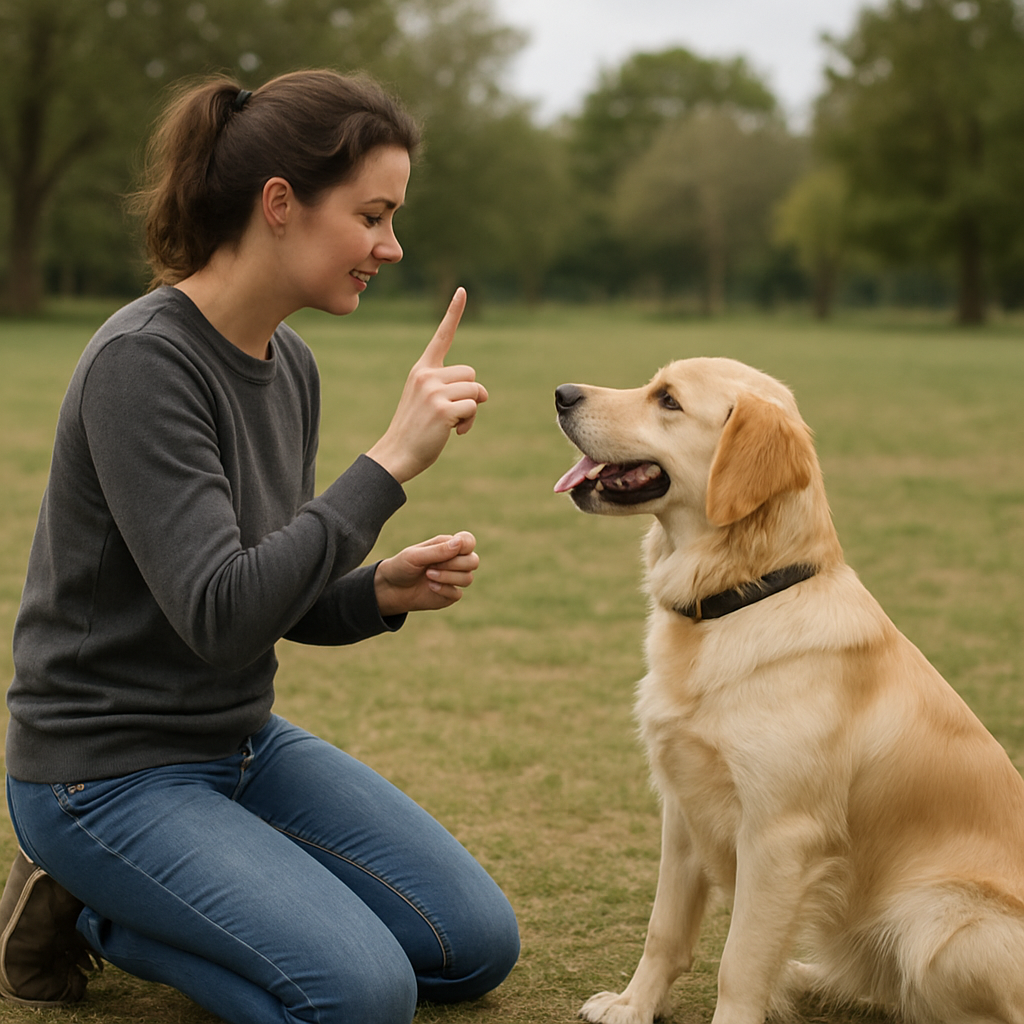
Factors to Consider When Choosing a Training Program
Selecting the right training program involves evaluating various factors that can influence your dog’s learning experience and outcomes. Here are some key considerations to keep in mind:
Your Dog’s Age and Temperament
The age and temperament of your dog play a significant role in determining the appropriate training program. Puppies require different training techniques than older dogs, and the methods used should be tailored to their developmental stage. For example, young puppies benefit from socialization and basic obedience training, while older dogs may require more focus on specific behavioral issues or advanced commands.
Understanding your dog’s temperament is also essential in choosing the right training approach. High-energy dogs may benefit from programs that incorporate physical activity and mental stimulation, while more reserved or anxious dogs might thrive in quieter, more controlled environments. Observing your dog’s behavior and preferences can provide valuable insights into what type of training will be most effective.
In addition to age and temperament, consider any specific needs or challenges your dog may have. Some dogs may have a history of trauma or fear, requiring a more sensitive and patient approach. Others may have medical conditions that influence their ability to participate in certain activities. Tailoring the training program to your dog’s unique circumstances can enhance their learning experience and outcomes.
Trainer’s Experience and Approach
Research potential trainers or schools to understand their experience and training philosophy. Look for trainers who have a proven track record and certifications from recognized organizations. It’s important that their approach aligns with your training goals and your dog’s needs.
A trainer’s experience can significantly impact the effectiveness of the training program. Experienced trainers have likely encountered a wide range of behaviors and challenges, equipping them with the skills and insights needed to address your dog’s specific needs. Certifications from reputable organizations, such as the Association of Professional Dog Trainers (APDT) or the Certification Council for Professional Dog Trainers (CCPDT), can provide assurance of the trainer’s competence and commitment to ethical practices.
Consider the trainer’s approach and methodology, as this will influence the training experience for both you and your dog. Some trainers may emphasize positive reinforcement, while others might incorporate a mix of methods. It’s crucial to ensure that the trainer’s philosophy aligns with your values and the outcomes you wish to achieve. Open communication with the trainer about your goals and concerns can help establish a strong working relationship.
Location and Convenience
Consider the location of the training facility and whether it fits into your schedule. Proximity to your home can make attending classes more convenient. Additionally, some trainers offer in-home training, which can be a great option for busy pet owners.
The convenience of the training location can play a significant role in your commitment to the program. A nearby facility makes it easier to attend sessions regularly, ensuring consistency and progress. When evaluating locations, consider factors such as travel time, parking availability, and the accessibility of the training environment.
In-home training is an excellent option for those with demanding schedules or dogs that may not be comfortable in unfamiliar settings. This approach allows for training in the dog’s natural environment, which can enhance the relevance and effectiveness of the lessons. In-home training also offers the flexibility to address specific issues that occur in the home, such as door manners or interactions with household members.
Class Size and Structure
Smaller class sizes often mean more individual attention for your dog. Consider the structure of the class and whether it allows for sufficient interaction and practice time. Some dogs thrive in a structured setting, while others may need more flexibility.
Class size can impact the quality of the training experience, as smaller groups often allow for more personalized attention from the trainer. In a smaller class, the trainer can observe and address each dog’s unique needs, providing targeted guidance and feedback. This personalized approach can be particularly beneficial for dogs that require additional support or have specific behavioral challenges.
The structure of the class is another important consideration. A well-organized class with a clear curriculum can provide a balanced mix of instruction, practice, and socialization. Look for classes that offer opportunities for hands-on practice and real-world application of skills. Some dogs may benefit from a more flexible approach that allows for exploration and adaptation to their learning pace.
Cost of Training
Training costs can vary widely based on the type of program and location. Group classes tend to be more affordable, while private sessions may come at a premium. It’s important to weigh the cost against the potential benefits and outcomes.
When evaluating the cost of training, consider the long-term benefits that a well-trained dog can bring. Investing in a quality training program can prevent future behavioral issues, reduce the need for corrective measures, and enhance the overall quality of life for both you and your dog. Weigh the cost against factors such as the trainer’s experience, the comprehensiveness of the program, and the support provided.
Budgeting for training is an important step in the decision-making process. Determine what you are willing to spend and explore options that fit within your budget. Keep in mind that while some programs may have a higher upfront cost, the long-term benefits can far outweigh the initial investment. Comparing different programs and their offerings can help you make an informed decision.
Benefits of Obedience Training
Investing in obedience training offers a host of benefits for both you and your dog:
Improved Behavior
Training provides the foundation for good behavior, helping to reduce issues like jumping, barking, and leash pulling. Well-trained dogs are more enjoyable companions and are often welcome in more places.
One of the primary benefits of obedience training is the improvement of your dog’s behavior in various settings. By teaching commands and boundaries, training helps reduce undesirable behaviors such as jumping on guests, excessive barking, and pulling on the leash during walks. A well-trained dog is not only easier to manage but also more enjoyable to be around.
Training also helps address specific behavioral issues that may arise, such as aggression or anxiety. Through targeted exercises and consistent practice, dogs learn to respond appropriately to different stimuli and situations. This improved behavior can make outings, visits to the vet, and interactions with other dogs and people more pleasant and stress-free.
A well-behaved dog is often more welcome in public spaces and social gatherings. Whether it’s a trip to the park, a visit to a friend’s house, or a family vacation, a trained dog is more likely to be included in activities and experiences. This inclusion enhances the bond between you and your dog and enriches your shared life.
Enhanced Communication
Training strengthens the bond between you and your dog by improving communication. You’ll learn how to effectively convey commands and understand your dog’s needs and signals.
Effective communication is at the heart of a strong relationship between you and your dog. Obedience training teaches you how to convey commands clearly and consistently, helping your dog understand what is expected of them. This clarity reduces confusion and frustration, creating a more harmonious dynamic.
Training also enhances your ability to interpret your dog’s signals and body language. Understanding your dog’s cues allows you to respond appropriately to their needs, whether it’s a request for play, a sign of stress, or an indication of discomfort. This mutual understanding fosters trust and cooperation, strengthening the bond between you and your pet.
As communication improves, you’ll find that your dog becomes more responsive and attentive to your guidance. This responsiveness enhances the effectiveness of training and opens up opportunities for more advanced activities, such as agility or therapy work. The ability to communicate effectively with your dog is a rewarding aspect of training that enhances your overall relationship.
Socialization Skills
Especially important for puppies, socialization helps your dog learn how to interact appropriately with other dogs and people. This can prevent future behavioral issues and make outings more enjoyable.
Socialization is a critical component of obedience training, especially for puppies and young dogs. By exposing your dog to a variety of people, animals, and environments, training helps them develop the social skills needed to navigate the world confidently. Well-socialized dogs are less likely to develop fear-based behaviors or aggression, making them safer and more pleasant companions.
Training provides controlled opportunities for socialization, allowing dogs to interact with peers in a safe and supervised setting. These interactions teach dogs how to communicate and play appropriately, reducing the likelihood of conflicts and misunderstandings. Socialization also helps dogs become comfortable with new experiences, reducing anxiety and enhancing their adaptability.
For owners, a well-socialized dog means more enjoyable outings and social experiences. Whether it’s a trip to the dog park, a walk in the neighborhood, or a visit to a pet-friendly café, a socially adept dog is a joy to be with. The skills learned through socialization training contribute to a well-rounded and confident pet that enriches your life.
Safety
Training can teach your dog essential safety commands, such as recall (coming when called), which can prevent accidents and keep your pet safe.
Safety is a paramount concern for all dog owners, and obedience training plays a vital role in ensuring your pet’s well-being. Teaching essential safety commands, such as recall, sit, and stay, can prevent accidents and keep your dog out of harm’s way. These commands are invaluable in situations where quick and reliable responses are needed, such as avoiding traffic or encountering unfamiliar animals.
Training also helps dogs learn to navigate potentially dangerous situations with confidence and composure. By practicing commands and scenarios in a controlled environment, dogs develop the skills needed to respond appropriately in real-world situations. This preparation enhances their ability to stay safe and reduces the risk of accidents or injuries.
For owners, the peace of mind that comes with a well-trained dog is invaluable. Knowing that your dog will respond to commands and behave safely in various environments allows you to enjoy activities and outings without constant worry. The safety benefits of training extend beyond your dog to those around you, creating a safer and more harmonious community.
Mental Stimulation
Training provides mental challenges that keep your dog engaged and stimulated. This can prevent boredom-related behaviors and promote overall well-being.
Mental stimulation is a key aspect of obedience training that contributes to your dog’s overall well-being. Training exercises challenge your dog’s mind, keeping them engaged and preventing boredom-related behaviors such as chewing, digging, or excessive barking. A mentally stimulated dog is often happier and more content, reducing the likelihood of destructive behaviors.
The process of learning new commands and skills provides ongoing opportunities for mental enrichment. Dogs enjoy the challenge of mastering new tasks, and the sense of accomplishment that comes with success boosts their confidence and satisfaction. Training sessions can be tailored to your dog’s interests and abilities, ensuring that they remain motivated and enthusiastic.
In addition to preventing boredom, mental stimulation through training promotes cognitive development and problem-solving skills. This mental agility can enhance your dog’s ability to adapt to new situations and learn more complex tasks. The benefits of mental stimulation extend beyond training sessions, contributing to a well-rounded and fulfilled pet that is a joy to live with.

Finding the Right Trainer or School
When searching for a trainer or school, use these tips to ensure you find a reputable and effective program:
Ask for Recommendations
Talk to your veterinarian, fellow dog owners, or local pet stores for recommendations. Personal experiences can provide valuable insights into the quality of training programs.
Recommendations from trusted sources can be invaluable in finding a reputable trainer or school. Veterinarians, fellow dog owners, and pet stores often have firsthand experience with local training programs and can provide insights into their effectiveness and approach. These recommendations can help you identify trainers or schools with a strong track record of success.
When seeking recommendations, ask about specific aspects of the training experience, such as the trainer’s style, the class structure, and the outcomes achieved. Personal experiences can offer a realistic perspective on what to expect and help you determine if a program aligns with your goals and needs. Be open to asking follow-up questions to gain a comprehensive understanding of the options available.
In addition to local recommendations, online forums and social media groups dedicated to dog training and pet care can be valuable resources. Members often share reviews and experiences that can guide your decision-making process. Consider joining these communities to expand your network of resources and gather diverse opinions.
Check Credentials
Ensure that the trainer has the necessary certifications and experience. Organizations like the Association of Professional Dog Trainers (APDT) or the Certification Council for Professional Dog Trainers (CCPDT) are good places to start.
Credentials and certifications are important indicators of a trainer’s qualifications and commitment to ethical practices. Organizations such as the APDT and CCPDT set standards for professional conduct and continuing education, ensuring that certified trainers are equipped with the latest knowledge and techniques. Checking for these credentials can provide confidence in the trainer’s expertise and reliability.
In addition to certifications, consider the trainer’s experience and background. A trainer with a diverse range of experience is likely to have encountered various behavioral challenges and can offer practical solutions tailored to your dog’s needs. Research the trainer’s history, including any specializations or areas of expertise, to ensure they are well-suited to address your specific concerns.
Don’t hesitate to ask potential trainers about their training philosophy and methods. Understanding their approach can help you determine if it aligns with your values and goals. A transparent and open dialogue about expectations and techniques can set the stage for a successful training experience.
Observe a Class
If possible, observe a class before enrolling your dog. This will give you a sense of the trainer’s style and the class environment. Look for positive interactions and engaged dogs.
Observing a class in person is an excellent way to assess the quality of a training program. By watching a session, you can gain firsthand insight into the trainer’s style, the class dynamics, and the overall environment. Look for positive interactions between the trainer and the dogs, as well as engaged and attentive participants.
During your observation, pay attention to the trainer’s communication and teaching techniques. A skilled trainer will be able to convey instructions clearly and provide constructive feedback to both dogs and owners. The class environment should be supportive and encouraging, fostering a positive learning experience for all participants.
In addition to assessing the trainer, observe the dogs and their interactions. Engaged and focused dogs are a sign of effective training methods and a conducive learning environment. Consider the class size and structure, as these factors can influence the quality of individual attention and practice time.
Read Reviews
Online reviews can offer additional perspectives on the effectiveness and reputation of a training program. Pay attention to feedback on the trainer’s approach, communication, and results.
Online reviews are a valuable resource for gathering diverse perspectives on a training program. Platforms such as Google, Yelp, and specialized pet care websites often feature reviews from previous clients who share their experiences and outcomes. Reading these reviews can provide insights into the effectiveness of the program, the trainer’s communication style, and the overall satisfaction of participants.
When reviewing feedback, pay attention to recurring themes or patterns. Consistently positive reviews may indicate a reputable and effective program, while repeated concerns or complaints could be a red flag. Consider both the positive and negative aspects mentioned in reviews to form a balanced understanding of what to expect.
In addition to general reviews, seek out testimonials or case studies that highlight specific success stories. These detailed accounts can provide inspiration and confidence in the program’s ability to address particular challenges or goals. Remember to verify the credibility of online reviews and consider reaching out to reviewers for further insights if needed.
Conclusion
Choosing the right obedience training for your dog is a significant decision that can positively impact your pet’s behavior and your relationship. By considering factors such as your dog’s age, the trainer’s experience, and the cost of training, you can find a program that suits your needs. Whether you opt for group classes, private sessions, or a comprehensive obedience school, the investment in training will pay off in a well-behaved, happy, and healthy dog.
Investing time and effort into selecting the right training program is an investment in your dog’s future. The benefits of a well-trained dog extend beyond obedience, enhancing safety, communication, and social interactions. A well-behaved dog is a joy to be around and enriches your life in countless ways.
As you embark on your training journey, remember that patience, consistency, and a positive approach are key to success. Celebrate small victories and progress, and continue to reinforce positive behaviors throughout your dog’s life. The bond you build through training will deepen your connection and create a lasting partnership with your furry friend.
Whether your dog is a playful puppy or a seasoned adult, the right training can unlock their full potential and enhance their quality of life. By making an informed decision and committing to the process, you can look forward to a rewarding and fulfilling relationship with your well-trained companion.