Essential Skills for Service Dogs Explained
Service dogs are far more than beloved companions; they are life-changing allies for individuals with disabilities. These highly trained animals offer essential assistance, whether it be helping someone with mobility challenges, providing crucial support during anxiety episodes, or assisting with psychiatric conditions. Service dogs are integral to enhancing the quality of life for their handlers, allowing for greater independence and confidence in daily activities. In this article, we’ll delve deeper into the essential skills that service dogs must master, the varied training programs available, and provide guidance on how you can find or train a service dog tailored to your specific needs.

Service dogs are uniquely trained to carry out tasks that directly address the challenges faced by individuals with disabilities. Unlike emotional support animals, which provide comfort through their presence, service dogs are trained to perform specific, often complex tasks that mitigate the effects of a person’s disability. These tasks are diverse and can include guiding those who are visually impaired, alerting those with hearing impairments to critical sounds, or calming individuals who experience severe anxiety attacks. The nature of their training equips service dogs to become indispensable partners for their handlers.
Types of Service Dogs
Service dogs can be categorized based on the specific needs they address, each requiring tailored training to fulfill their roles effectively:
- Guide Dogs: These dogs are essential for individuals with visual impairments, enabling them to navigate safely and independently through their environment. They are trained to lead their handlers around obstacles and stop at curbs and steps.
- Hearing Dogs: For individuals who are deaf or hard of hearing, hearing dogs alert them to important sounds such as doorbells, alarms, or a baby crying, ensuring they remain aware of their surroundings.
- Mobility Assistance Dogs: These dogs offer support to individuals with physical disabilities, performing tasks like retrieving dropped objects, opening doors, and providing balance support, thus enhancing their handlers’ independence.
- Psychiatric Service Dogs: They are trained to assist individuals with mental health conditions such as PTSD or severe anxiety, performing tasks like interrupting harmful behaviors or providing tactile stimulation during panic attacks, which can help ground their handlers in reality.
Essential Skills for Service Dogs
Training a service dog is an intensive process, equipping them with a wide range of skills to support their handler’s distinct needs. Here are some of the core skills that service dogs must master:
Obedience Training
Obedience is the cornerstone of any service dog’s training regimen. It is vital that they respond promptly to basic commands such as sit, stay, come, and heel. This level of discipline ensures that the dog can execute tasks reliably, even amidst distractions or in unpredictable environments. A solid foundation in obedience training is critical for the dog’s ability to function effectively in public and private settings.
Task-Specific Training
Each service dog undergoes training tailored to perform tasks that directly assist with their handler’s particular disability. For instance, a mobility assistance dog may be trained to pick up dropped items or help their handler maintain balance, while a psychiatric service dog might learn to interrupt self-harming behaviors or alert to the onset of an anxiety attack. This specialized training is crucial in empowering the dog to meet the unique needs of their handler effectively.
Public Access Training
A service dog’s ability to remain composed and behave appropriately in various public settings is paramount. This training ensures they can ignore distractions, remain calm in crowded or noisy environments, and refrain from seeking attention from strangers. Public access training is essential in preparing the dog to accompany their handler anywhere they go, providing seamless support without causing disruptions.
Scent Detection
Certain service dogs are trained to detect specific scents, such as the unique odor associated with a diabetic’s low blood sugar levels or allergens their handler must avoid. This skill requires a highly developed sense of smell and the ability to alert their handler promptly. Mastering scent detection can be life-saving and requires extensive and precise training.
Finding the Right Service Dog
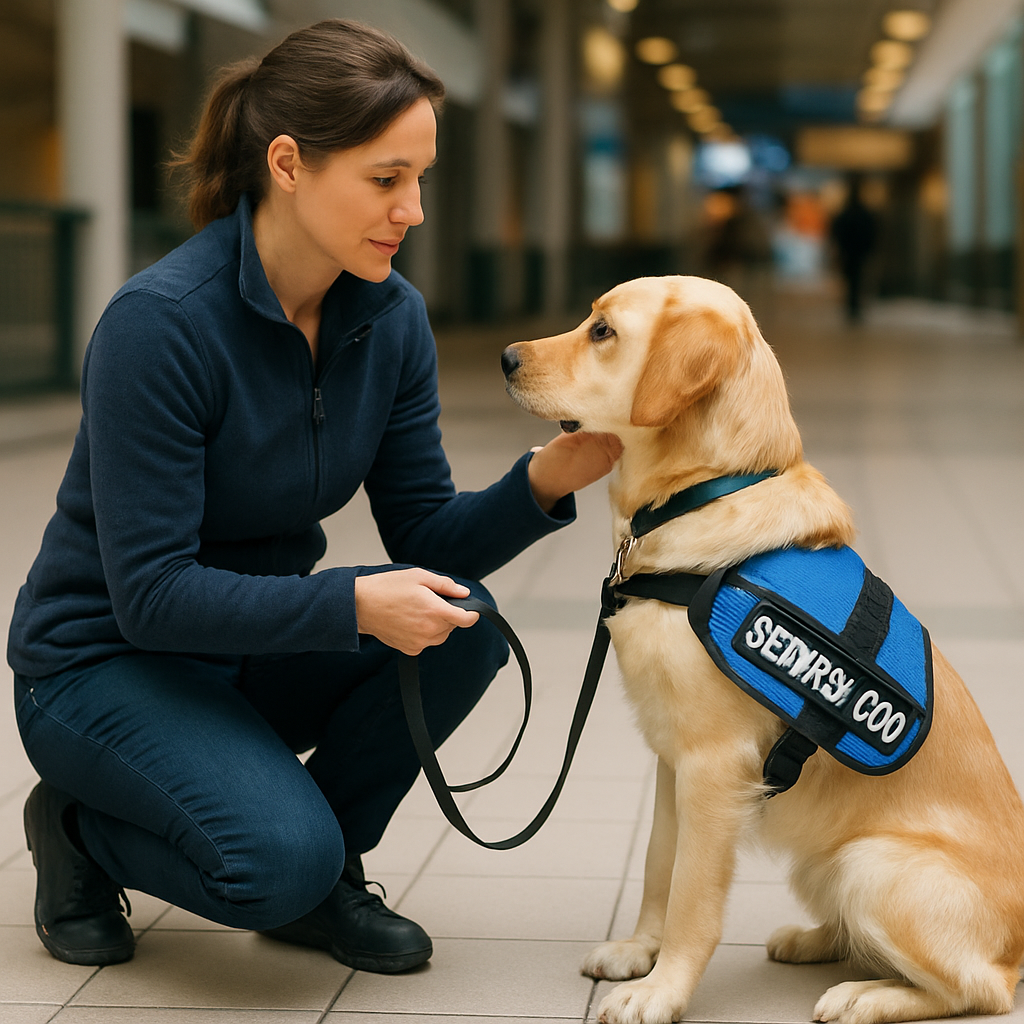
When seeking a service dog, it’s crucial to find one that aligns with your specific needs and lifestyle. Here are steps to guide you in finding the right service dog:
Evaluating Service Dog Organizations
Numerous organizations specialize in breeding, training, and placing service dogs with individuals who need them. Researching these organizations meticulously is important. Look for those with a solid reputation, transparent training standards, and positive testimonials from past clients. It’s beneficial to visit facilities, speak with trainers, and observe training sessions to ensure their methods align with your expectations and standards.
Selecting a Suitable Breed
While any breed can potentially become a service dog, certain breeds are favored due to their size, temperament, and ease of training. Labrador Retrievers, Golden Retrievers, and German Shepherds are among the most popular choices for service dogs, known for their intelligence, loyalty, and adaptability. However, the choice of breed should also consider the specific tasks the dog will perform and the handler’s personal preferences and living situation.
Considering Temperament and Health
A good service dog should possess a calm demeanor, be eager to please, and have a robust work ethic. These traits are essential for maintaining focus and reliability in performing tasks. The dog’s health is equally critical, as it must be physically capable of carrying out the tasks required by its handler. Regular veterinary check-ups and a balanced diet are crucial to maintaining the dog’s health and longevity.
Training Programs for Service Dogs
Training a service dog is a demanding and time-intensive process. Many opt for professional trainers or programs to ensure their dog is prepared adequately.
Professional Training Services

by Javad Esmaeili (https://unsplash.com/@javad_esmaeili)
Professional service dog trainers offer comprehensive programs encompassing basic obedience, task-specific training, and public access skills. These trainers bring experience and expertise to the table, tailoring training to meet the individual needs of both the handler and the dog. Working with professionals can provide peace of mind, knowing the dog is receiving high-quality training.
Owner-Trained Service Dogs
Some individuals choose to train their service dogs themselves, a path that can be challenging yet rewarding. This approach requires a substantial time investment and a thorough understanding of effective training techniques. Many resources, including online communities, books, and courses, are available to support owner-trainers throughout this process, offering guidance and encouragement.
Evaluating Training Programs
When selecting a training program or service dog trainer, it’s vital to assess their methods, experience, and success rates. Look for trainers who use positive reinforcement techniques, which are proven to be effective and humane. Additionally, consider their track record of successfully training service dogs, as this can provide insight into their capabilities and reliability.
Legal Rights and Responsibilities
Service dogs are protected under the Americans with Disabilities Act (ADA), ensuring they can accompany their handlers in public places. However, handlers also have specific responsibilities to uphold.
Understanding the ADA
The ADA mandates that service dogs must be permitted in public spaces, including those that typically prohibit animals, such as restaurants, stores, and public transportation. However, businesses have the right to ask a handler to remove their service dog if it is out of control or not housebroken, ensuring that the presence of service dogs does not compromise the safety and comfort of others.
Responsibilities of Service Dog Handlers
Handlers are responsible for ensuring their service dog is well-groomed, healthy, and trained to behave appropriately in public. They should also carry any necessary documentation or identification that may be required in certain situations, ensuring smooth interactions in public spaces and reinforcing the dog’s role and legitimacy as a service animal.
Conclusion
Service dogs provide invaluable assistance to individuals with disabilities, significantly enhancing their independence and quality of life. Whether you’re considering acquiring a service dog or training one, understanding the essential skills and training processes involved is crucial. By selecting the right service dog and investing in proper training, you can ensure a successful partnership that meets your unique needs.
If you’re interested in learning more about service dogs or finding a training program near you, numerous resources and organizations are available to help guide you on this rewarding journey. These resources can offer support, advice, and connections to the broader community of service dog handlers and trainers, empowering you to make informed decisions and embark on this life-changing path.