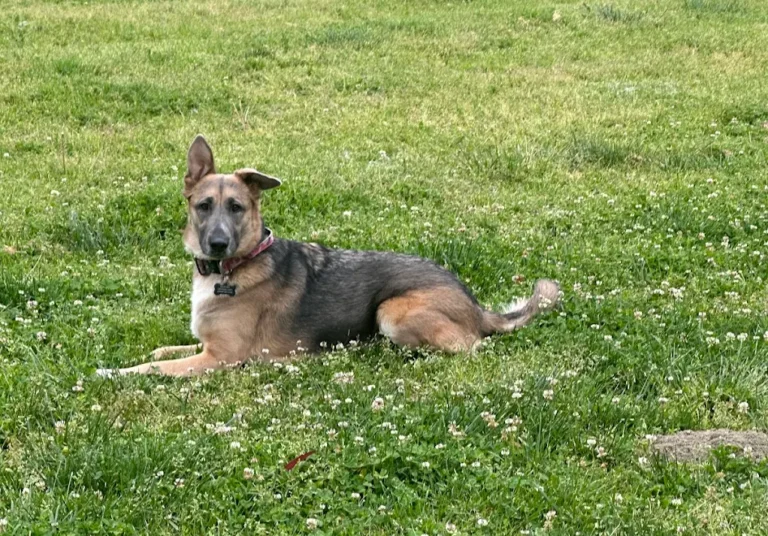
Understanding the Benefits of PTSD Service Dogs
Post-Traumatic Stress Disorder (PTSD) is a complex mental health condition that arises after experiencing or witnessing traumatic events. It can affect individuals of any age, gender, or background, but is notably prevalent among military veterans due to the nature of their service. The condition manifests through symptoms such as severe anxiety, flashbacks, nightmares, and uncontrollable thoughts about the traumatic event. While various treatments exist, many veterans find significant relief through the companionship of specially trained service dogs. This article delves into the myriad benefits of PTSD service dogs, the process for veterans to obtain them, and the profound impact these dogs have on their handlers’ lives.
PTSD service dogs are highly trained canines that assist individuals with PTSD in managing their symptoms effectively. These dogs undergo rigorous training to perform specific tasks aimed at alleviating the psychological and emotional burdens of PTSD. Their roles extend beyond mere companionship, as they are equipped to provide both practical assistance and emotional support tailored to their handler’s unique needs. For instance, a service dog might be trained to recognize signs of an impending anxiety attack and intervene by providing tactile stimulation, such as nudging or licking, to refocus their handler. Additionally, these dogs can serve as a physical buffer in crowded spaces, offering a sense of security and stability. The value of these dogs goes beyond their training; they become trusted partners, offering unwavering support and understanding in a way that can be profoundly healing.

The Role of PTSD Service Dogs
Emotional Support and Companionship
At the heart of the role of a PTSD service dog is the provision of emotional support and companionship. For veterans grappling with feelings of isolation, anxiety, and depression, the presence of a loyal canine companion can be transformative. The unconditional love and acceptance that a dog provides can significantly alleviate feelings of loneliness and despair, fostering a sense of connection and belonging. This emotional bond not only improves mental health but also enhances the overall quality of life for veterans, as they find solace in the company of their four-legged friend. Furthermore, the routine and responsibility of caring for a dog can offer a sense of purpose and structure, which are often essential components of recovery.
Mitigating Anxiety and Panic Attacks
PTSD service dogs are adept at recognizing the onset of anxiety and panic attacks, which are common symptoms of PTSD. Through their training, these dogs learn to respond to subtle cues from their handler, such as changes in breathing or body language, that indicate rising anxiety levels. They employ grounding techniques, such as nudging, licking, or leaning against their handler, to divert attention and bring them back to the present moment. This kind of intervention is crucial in preventing the escalation of anxiety symptoms, providing a calming presence that helps to stabilize emotions and reduce the intensity of panic attacks. The reliability of a service dog in these moments can be a crucial lifeline for veterans, offering a sense of safety and predictability in an otherwise overwhelming situation.
Creating a Safe Space
Service dogs play a pivotal role in creating a safe space for their handlers, particularly in environments that may be crowded or triggering. By positioning themselves as a physical barrier between their handler and others, these dogs help to mitigate stress and anxiety in social situations. This sense of safety allows veterans to navigate public spaces with greater confidence and ease, reducing the likelihood of feeling overwhelmed or threatened. The presence of a service dog can also deter unwanted interactions, providing the handler with an additional layer of security and peace of mind. Over time, this support can empower veterans to re-engage with the world around them, rebuilding their social networks and participating in activities they may have previously avoided.
Assisting with Nightmares and Sleep Disturbances
Sleep disturbances, including nightmares and night terrors, are common and distressing symptoms of PTSD. Service dogs can be trained to intervene during these episodes by gently waking their handler, either by licking, nudging, or creating noise to disrupt the nightmare. This intervention not only helps to reduce the frequency and intensity of night terrors but also contributes to improved sleep quality overall. By ensuring that their handler achieves more restful and restorative sleep, service dogs play an essential role in enhancing their handler’s overall well-being. The presence of a service dog at night can also provide comfort and reassurance, helping veterans to feel safer and more secure as they sleep.
How to Get a PTSD Service Dog
Eligibility and Requirements
For veterans interested in obtaining a PTSD service dog, determining eligibility is the first critical step. Typically, veterans must have a documented diagnosis of PTSD, often confirmed by a healthcare professional, to qualify for a service dog. Additionally, a referral or recommendation from a mental health provider may be required to support the application. It’s important to recognize that each service dog organization may have specific eligibility criteria and application processes, which can vary widely. Veterans should thoroughly research these requirements to ensure they meet the necessary qualifications before proceeding with their application.
Finding the Right Organization
Numerous organizations specialize in providing service dogs to veterans, often at little or no cost, understanding the unique challenges and needs of this population. These organizations are dedicated to matching veterans with the right canine companion, considering factors such as personality, lifestyle, and specific needs. Some well-known organizations include Canines for Veterans, Dogs for Disabled Veterans, and Service Dogs for Vets with PTSD. Each of these organizations has established programs designed to support veterans throughout the process, from application to training and beyond. Veterans are encouraged to reach out to these organizations to learn more about the resources and support available to them.
The Application Process
Once a suitable organization has been identified, the application process generally involves several steps. Veterans will need to submit an application form, accompanied by medical documentation verifying their PTSD diagnosis and any additional information required by the organization. An interview may also be part of the process, allowing the organization to assess the veteran’s specific needs and preferences. This comprehensive evaluation helps ensure that the right match is made between the veteran and the service dog, optimizing the potential for a successful partnership. Once the application is approved, veterans can look forward to the next phase of training and bonding with their new service dog.

Training and Bonding
After being matched with a service dog, the veteran embarks on a crucial training period to ensure effective collaboration with their new companion. This training is designed to build a strong bond between the handler and the dog, fostering trust and understanding. During this time, veterans learn how to communicate with their dog, understand its cues, and reinforce the tasks it has been trained to perform. The training process is a collaborative effort, often involving professional trainers who guide both the veteran and the dog. As the bond strengthens, veterans gain confidence in their ability to work with their service dog, setting the stage for a successful and fulfilling partnership.
The Impact of PTSD Service Dogs on Veterans
Improved Mental Health
Research has consistently shown that veterans with PTSD who utilize service dogs experience significant improvements in their mental health. The companionship and support provided by these dogs can lead to reduced symptoms of anxiety, depression, and PTSD, offering a sense of stability and emotional balance. The presence of a service dog can also enhance the effectiveness of other therapeutic interventions, such as counseling or medication, by providing continuous support and comfort. As veterans experience these mental health benefits, they often report increased feelings of hope and optimism, contributing to a more positive outlook on life and their future.
Increased Independence
Service dogs empower veterans by assisting them in daily activities and providing support in challenging situations, thereby enhancing their independence. Tasks such as retrieving items, providing balance, or alerting to specific triggers enable veterans to navigate their environment more confidently and safely. This newfound independence can lead to a higher quality of life, allowing veterans to pursue activities and goals that may have seemed out of reach. As they regain control over their daily lives, veterans often experience improved self-esteem and a greater sense of autonomy, reinforcing their ability to thrive despite the challenges of PTSD.
Strengthened Social Connections
With the support of a service dog, veterans often find it easier to engage in social activities and build connections with others. The presence of a dog can serve as an icebreaker, facilitating interactions and reducing feelings of isolation and social anxiety. Service dogs not only provide companionship but also encourage social engagement by attracting attention and fostering conversation. This increased social interaction can lead to stronger relationships and a more robust support network, both of which are critical components of recovery and well-being. As veterans build these connections, they often find renewed purpose and fulfillment in their interactions with others.
Physical Health Benefits
In addition to the mental health benefits, service dogs also encourage physical activity, which is essential for overall health and well-being. Regular walks, playtime, and exercise with the dog promote a healthy lifestyle, benefiting both the veteran and the dog. This physical activity can lead to improved cardiovascular health, increased energy levels, and better weight management. Moreover, the routine of caring for and exercising a dog can provide structure and motivation, further enhancing the veteran’s commitment to maintaining a healthy lifestyle. The combined physical and mental health benefits of having a service dog contribute to a holistic approach to recovery and wellness.
Conclusion
PTSD service dogs offer invaluable support to veterans struggling with the effects of trauma, playing a crucial role in improving the lives of their handlers. From providing emotional comfort and practical assistance to facilitating social engagement and physical activity, these dogs are more than companions; they are partners in healing. For veterans seeking relief from PTSD symptoms, exploring the option of a service dog could be a life-changing decision. With the support of specialized organizations, veterans can access the companionship and assistance of a service dog, paving the way for a brighter and more independent future.

by Maryna Nikolaieva (https://unsplash.com/@marynanick)
For veterans interested in obtaining a service dog, it’s imperative to reach out to reputable organizations that specialize in matching service dogs with veterans. By taking this step, veterans can begin the journey toward healing and reclaiming their lives with the support of a loyal canine companion. As they embark on this path, they are not alone; their service dog stands beside them, ready to offer unwavering support and friendship every step of the way.