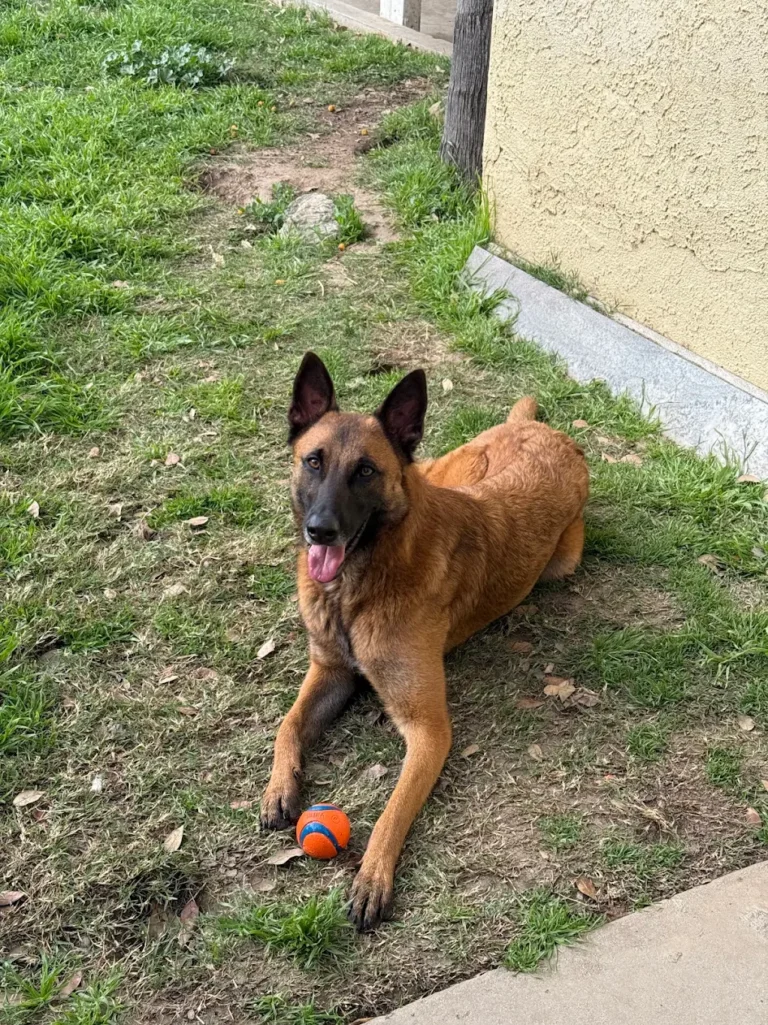
Key Factors in Choosing Service Dog Training
Choosing the right service dog training program is crucial to ensure that your canine companion can meet your needs effectively. This decision involves understanding the various types of training available, evaluating trainers and programs, and considering special requirements unique to your situation. Whether you need a service dog for medical alerts, emotional support, or psychiatric assistance, understanding the key factors that influence the training process is essential for a successful partnership with your service dog.
Service dogs are trained to perform specific tasks that assist individuals with disabilities. These tasks can range from guiding visually impaired individuals to alerting someone with epilepsy of an impending seizure. Understanding the various types of service dog training available and their specific purposes can help you make an informed decision when selecting a program.
Medical alert dogs are trained to recognize specific medical conditions and alert their handlers to potential health issues. For example, diabetic alert dogs can detect changes in blood sugar levels. The training process for these dogs is intricate and involves teaching them to recognize subtle changes in their handler’s body chemistry. Trainers specializing in medical alert dog training often have backgrounds in both animal behavior and medical conditions, making their expertise essential in this field. When searching for “medical alert dog training near me,” it’s important to find trainers with experience in this specialized area, as they will understand the nuances required for effective training.
Psychiatric service dogs assist individuals with mental health conditions such as PTSD, anxiety, and depression. These dogs provide grounding during panic attacks, interrupt harmful behaviors, and offer comfort during emotional distress. The training for psychiatric service dogs often includes teaching them to recognize signs of anxiety or stress in their handler and respond accordingly. This can involve nudging, licking, or applying deep pressure therapy. When searching for “psychiatric service dog training near me,” look for programs that specialize in mental health support and offer personalized training plans tailored to your specific needs. Trainers with experience in psychological conditions will be better equipped to handle the unique challenges that arise in this type of training.
While emotional support animals (ESAs) do not require specialized training to perform specific tasks, they need basic obedience training to ensure good behavior in public settings. ESAs provide companionship and emotional support, which can be crucial for individuals dealing with mental health issues. The training focuses on ensuring that the animal is well-behaved, calm, and reliable in various situations. If you are considering training for an ESA, “emotional support animal training near me” can lead you to local trainers who offer these services. These trainers will typically focus on basic obedience, socialization, and ensuring the animal is comfortable and non-disruptive in public spaces.
Selecting the right training program involves considering several factors to ensure that your service dog is equipped to meet your needs effectively. These factors range from the trainer’s qualifications to the cost and convenience of the program.
The qualifications and experience of the trainer are paramount. Look for trainers who have a proven track record in service dog training and who can provide references or testimonials from past clients. Certifications from recognized organizations can also be a good indicator of a trainer’s expertise. It’s important to verify the trainer’s background, including their education in animal behavior and any specific training related to service dogs. Experience in handling a variety of dogs and situations is invaluable, as it ensures the trainer can adapt to the specific needs of your dog.
Different trainers use different methods, and it’s important to find one that aligns with your values and your dog’s temperament. Positive reinforcement is a widely recommended approach as it fosters a trusting relationship between the dog and handler. Trainers should focus on using rewards and praise to encourage desired behaviors rather than punishment. It’s crucial to avoid trainers who use harsh methods, as these can lead to fear and anxiety in dogs, potentially undermining the dog’s confidence and willingness to work. Understanding the philosophy behind the training methods and observing a session can provide insights into whether a trainer’s methods will be effective for your dog.
Consider the structure and duration of the training program. Some programs offer intensive “board and train service dog” options, where your dog stays at the training facility for a set period. This can be beneficial for those who prefer a more hands-off approach or have limited time for daily training. Others may offer weekly “service dog classes near me” that allow you to be actively involved in the training process, fostering a deeper bond with your dog. Determine which structure works best for your schedule and lifestyle, and consider the level of involvement you wish to have in the training process.
Cost is a significant factor for many when selecting a service dog training program. While “free dog trainers near me” might be appealing, remember that quality training often comes at a price. It’s important to compare costs across different programs and consider any additional expenses, such as travel or equipment. Financial assistance programs or scholarships may be available through some organizations, so it’s worth exploring these options if cost is a concern. Additionally, consider the accessibility of the program, including the location of training sessions and the availability of support from the training staff.
Proximity to the training facility can also influence your decision. Searching for “dog training near me” or “service dog training camp” can help you find nearby options. Convenience is key, especially if you need to attend regular sessions over an extended period. A local program can reduce travel time and expenses, making it easier to commit to the training schedule. Consider the facility’s environment and whether it’s conducive to learning, as well as the availability of parking and other amenities that may impact your experience.
Special considerations may be necessary depending on the specific tasks you need your service dog to perform. Understanding these considerations can help guide your decision when selecting a training program.
Individuals seeking “PTSD dog training near me” should look for programs that understand the unique challenges faced by those with PTSD. These dogs are trained to provide comfort, remind handlers to take medication, and even perform security checks of rooms. Trainers should have experience with trauma-informed practices and understand the specific triggers and coping mechanisms associated with PTSD. This training often involves teaching the dog to recognize signs of distress and respond in ways that can help de-escalate the situation.
For those considering enrolling in “service dog training schools,” it’s important to research the institution’s reputation and success rate. Schools often offer comprehensive programs that cover a wide range of skills and tasks. These programs can provide a structured environment for learning, with access to experienced trainers and resources. It’s essential to evaluate the curriculum, faculty qualifications, and the support provided to graduates. Visiting the school and speaking with current students or alumni can offer insights into the school’s effectiveness and culture.
“Board and train service dog” programs can be beneficial for those who prefer a more hands-off approach. These programs allow trainers to work intensively with your dog, often resulting in quicker progress. However, ensure that you are comfortable with the facility and the level of communication provided throughout the training process. Regular updates and opportunities to observe training sessions can help maintain your involvement and ensure that the training aligns with your expectations. It’s also important to plan for the transition period when your dog returns home, as continued reinforcement of the training is crucial for long-term success.
Starting your search for the right service dog training program can feel overwhelming, but there are steps you can take to make the process easier. By following a structured approach, you can find a program that meets your needs and sets the foundation for a successful partnership with your service dog.
Begin by conducting online research and reading reviews of local trainers and programs. Websites, social media, and forums can provide valuable insights into the experiences of other service dog handlers. Additionally, seek recommendations from healthcare professionals, support groups, or friends who have service dogs. Word-of-mouth referrals can be particularly valuable, as they come from trusted sources who have firsthand experience with the trainers or programs. Compile a list of potential options and consider reaching out to each for more information.
Many trainers offer an initial consultation to assess your needs and discuss their training approach. Take advantage of this opportunity to ask questions, observe a training session, and gauge whether the trainer and their methods are a good fit for you and your dog. This meeting can also provide insights into the trainer’s communication style and their ability to tailor the training to your specific situation. Be prepared to discuss your goals, your dog’s temperament, and any specific challenges you are facing.
Ultimately, trust your instincts when selecting a trainer. Your relationship with your service dog is a lifelong commitment, and the training process is a critical component of that journey. Choose a program that makes you feel confident and supported. If something doesn’t feel right, don’t be afraid to explore other options. Your comfort and trust in the trainer are essential for a successful training experience, as they directly impact your ability to work effectively with your service dog.
Choosing the right service dog training program requires careful consideration of several factors, including the trainer’s qualifications, training methods, program structure, and cost. By conducting thorough research and trusting your instincts, you can find a program that equips your service dog with the skills needed to enhance your quality of life. As you embark on this journey, remember that the right training can empower both you and your service dog, fostering a partnership built on trust, support, and mutual respect. Your commitment to this process will pave the way for a rewarding and fulfilling relationship with your service dog.