
Training Tips for Your Guard Dog
Training a guard dog can be one of the most rewarding tasks for any dog owner. Guard dogs are not just about having a protective presence; they also provide companionship and can be great family members. In this article, we’ll explore the training tips for your guard dog, delve into some of the best breeds for the job, and how you can ensure they fit well into your family life.
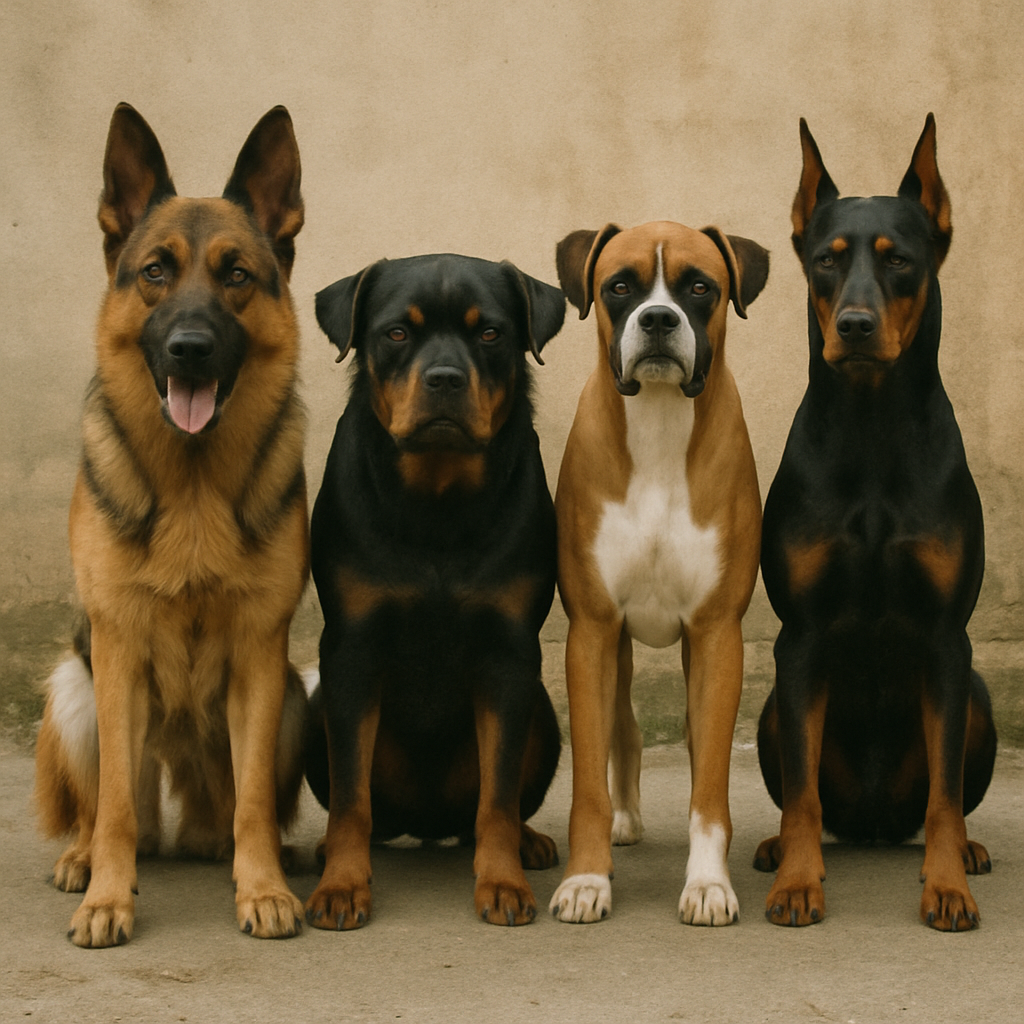
Before diving into training, it’s essential to understand the various breeds of guard dogs. Each breed comes with its unique traits, and knowing these can help you tailor your training approach.
Types of Guard Dogs
There are numerous types of guard dogs, from the mighty and imposing to the more medium-sized. Some of the most popular breeds include:
- German Shepherds: Known for their intelligence and loyalty, making them excellent guard dogs and family companions.
- Rottweilers: With a robust build and protective nature, Rottweilers are great protectors.
- Doberman Pinschers: Fast and agile, Dobermans are known for their alertness and loyalty.
- Bullmastiffs: These dogs are fearless and known for their physical strength.
- Boxers: Energetic and protective, Boxers are great around families.
Medium-Sized Guard Dogs
If you’re looking for medium-sized guard dogs, consider breeds like the Staffordshire Bull Terrier or the Chow Chow. These dogs can be less intimidating due to their size but still offer excellent protection.
Best Security Dogs for Families
When selecting a guard dog, you want one that can protect but also be a safe family pet. Breeds like the Labrador Retriever and Boxer are known for their friendly nature and protective instincts, making them some of the best security dogs for families.
Training Your Guard Dog
Training a guard dog requires patience, consistency, and the right techniques. Here are some tips to help you train your dog effectively.
Start With Basic Obedience

Before your dog can become a reliable protector, they need to learn basic obedience commands such as sit, stay, come, and heel. These commands form the foundation of any advanced training.
Socialization Is Key
A well-socialized guard dog is less likely to be aggressive towards strangers without cause. Introduce your dog to various environments, people, and other animals to ensure they are comfortable in different situations.
Positive Reinforcement
Positive reinforcement involves rewarding your dog for good behavior. This could be in the form of treats, praise, or playtime. This method is highly effective in training guard dogs, as it encourages them to repeat desired behaviors.
Consistent Training Sessions
Consistency is crucial in dog training. Set a regular schedule for training sessions, and stick to it. Short, frequent sessions tend to be more effective than long, sporadic ones.
Instinctual Behaviors
Many guard dogs have natural protective instincts. Encourage these by rewarding your dog when they alert you to strangers or unusual noises. However, it’s also essential to teach them when to be calm and when to be on alert.
Best Guard Dogs for Women
For women looking for a protective companion, some breeds stand out due to their loyalty and manageable size. The Belgian Malinois, for example, is a smaller alternative to the German Shepherd but just as protective. Similarly, the Akita is known for its vigilance and loyalty.
Maintenance and Care for Guard Dogs

by Zach Lucero (https://unsplash.com/@zlucerophoto)
Training is just one aspect of having a guard dog. Proper care and maintenance are equally important to ensure your dog remains healthy and happy.
Diet and Exercise
Guard dogs require a balanced diet to maintain their energy levels and health. Regular exercise is also crucial to keep them physically fit and mentally stimulated. Activities like running, fetching, and agility courses can be beneficial.
Grooming
Depending on the breed, grooming needs can vary. Short-haired breeds like the Doberman require less grooming than long-haired breeds like the German Shepherd. Regular brushing and occasional baths are usually sufficient.
Health Check-Ups
Regular veterinary check-ups are vital to catch any health issues early. Vaccinations, flea treatments, and routine health screenings should be part of your dog’s healthcare regimen.
Family Integration
A guard dog should be a part of the family, not just a protector. Here are some tips to ensure your guard dog integrates well into family life:
Establish Boundaries
Set clear boundaries for your dog. Teach them which areas of the house are off-limits and what behaviors are acceptable. This helps in creating a structured environment for your pet.
Family Involvement in Training
Involve all family members in the training process. This ensures that your dog respects everyone in the household and understands their position within the family hierarchy.
Building Trust
Trust is the foundation of any relationship, including that with your guard dog. Spend quality time with your dog, engage in activities they enjoy, and provide consistent affection and attention.
Conclusion
Training a guard dog is a commitment that requires time, effort, and understanding. By choosing the right breed for your lifestyle, employing effective training techniques, and integrating your dog into the family, you can ensure that your guard dog is not only a reliable protector but also a cherished family member.
Guard dogs provide a sense of security and companionship that is unparalleled. With the right approach, your guard dog can become a loyal and loving part of your family for years to come.


